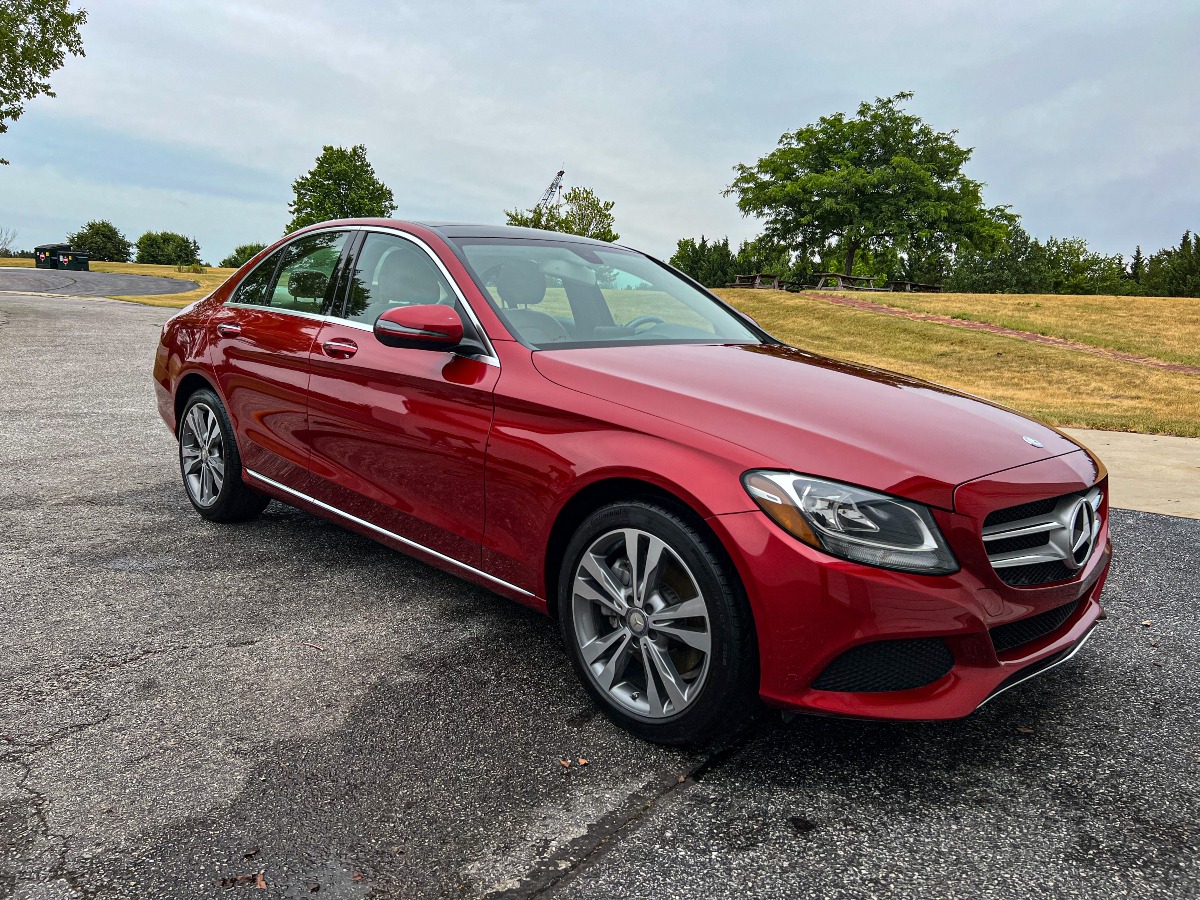


A buyer’s first impression of your vehicle happens before they check the odometer. It happens the moment they open the door and breathe in. Smoke, pet residue, food spills, or a musty cabin tells a story about the vehicle before you get the chance to explain it, and that story rarely works in your favor when it’s time to sell or trade in.
Whether you’re driving a daily commuter down I-83 toward Harrisburg, running a work truck through job sites, or pulling an RV out of storage after a York winter, cabin odor affects more than comfort. It affects what someone is willing to pay for what’s underneath it.
Why Smell Is the First Thing a Buyer Judges
Before a private buyer or dealer appraiser ever looks at maintenance records, they notice the cabin. A strong odor reads as evidence of a bigger issue, not just an inconvenience. Smoke odor suggests years of residue buildup in fabric and vents. Pet odor raises questions about stains hidden beneath seats or carpet. A musty mildew smell signals moisture intrusion, which can mean anything from a worn door seal to water sitting somewhere it shouldn’t be.
These aren’t conscious calculations buyers make. They’re gut reactions, and gut reactions move price.
What York's Climate Adds to the Problem
South-central Pennsylvania doesn’t make this easier. Humid summers trap moisture in carpet padding and seat foam long after a spill or a wet dog dries on the surface. Winters bring road salt and slush tracked in on floor mats, which holds moisture against carpet fibers for months at a time. RVs pulled out of seasonal storage often carry the same trapped-moisture smell, sometimes worse, because the cabin sat closed up for weeks.
Why Air Fresheners and DIY Sprays Don't Hold Up
Masking an odor is not the same as removing it. A spray or clip-on freshener covers the smell for a few days, until the cabin heats up on a test drive or the AC kicks on and pulls the trapped odor back out through the vents. A buyer who catches something artificial layered over something stale walks away more suspicious, not less. That’s the moment a sale is lost before a price is ever discussed.

What Actual Odor Removal Involves
Professional odor removal starts with finding the source, not covering it. That means checking carpet padding, seat foam, and door panels for trapped moisture or residue, not just wiping down what’s visible. Organic odors from pets, food, or smoke need enzymatic or ozone treatment that breaks the odor down at the source, rather than layering a scent over it.
One place most attempts miss entirely: the HVAC system. The evaporator core pulls in odor over years of normal use, and if it isn’t treated, a freshly detailed cabin can still smell off the moment the AC runs during a test drive. This is the detail that separates a vehicle that shows well from one that only smells fine while it’s parked with the doors open.
Where Odor Removal Matters Most Before You Sell
- Passenger cars and trucks. Private buyers frequently pass on a listing the moment they catch a hint of smoke or pet odor, in person or from a comment in the ad.
- RVs. Buyers walking through a living space expect it to feel move-in ready. A musty smell reads as neglect, even if the rest of the unit is in excellent shape.
- Commercial vehicles. Fleet buyers and trade-in appraisers already assume heavy use. A treated, neutral-smelling cabin is one of the few signals that tells them the vehicle was actually maintained, not just driven hard.
Timing It Right Before You List or Trade In
Odor removal isn’t something to schedule the day before a sale. Ozone and hydroxyl treatments need time to fully clear the cabin afterward, and rushing the process can leave a faint chemical smell that raises its own questions. Plan for it the way you’d plan for a detail before photos go up or before a trade-in appointment, with enough lead time for the vehicle to air out and settle.

Make the Decision With Confidence
If you’re getting ready to sell or trade in a car, truck, RV, or commercial vehicle, it’s worth having someone walk through what’s actually causing the smell before you try to cover it up. Teddy’s Detail in York, PA can take a look, explain what’s behind the odor, and lay out what it will take to remove it for good.
Reach out to Teddy’s Detail to schedule a cabin assessment before you list or trade in your vehicle. No pressure, just a straight answer about what’s causing the smell and what it will take to fix it.