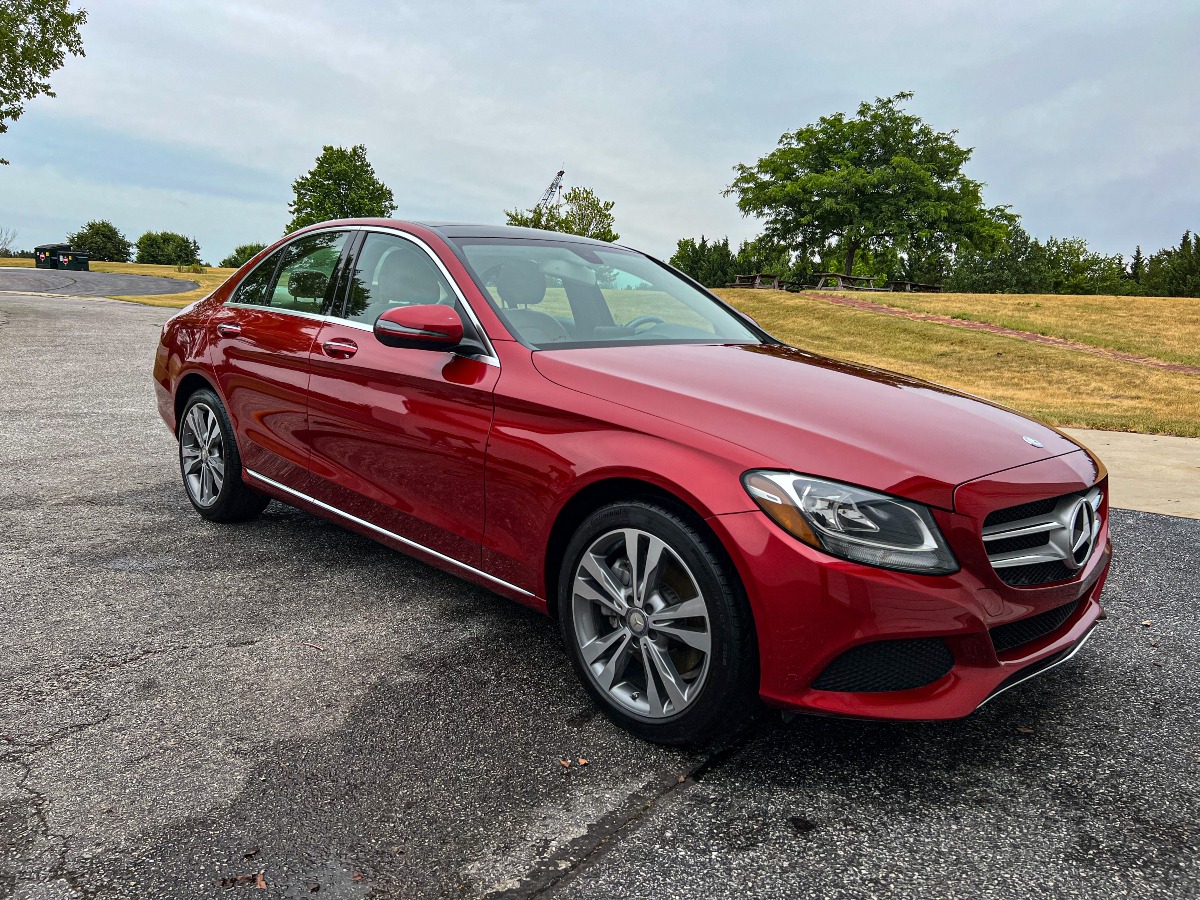


A finished ceramic coating can look flawless under shop lights and still raise real questions about the work underneath. Was the paint actually inspected first? Were existing defects addressed or just sealed over? Did anyone check the work before handing the car back? Those are the questions worth asking before you book, not after you’ve already paid.
Start With How They Prepare the Paint
A new or well-kept vehicle can still have more going on in the paint than shows up in normal daylight. Road film, bonded contamination, drive-through wash marks, and minor defects become much easier to spot under the right lighting, but only if someone actually looks.
That’s why the installer should inspect the paint before deciding how to prep it. Not every vehicle should go through the same routine. The inspection should identify what’s actually on the surface and what needs attention before applying anything over it.
Ask what they found. If they can point to specific areas, explain what they recommend, and tell you what they’re leaving alone, you know exactly what will be addressed and what won’t.
Ask How They Handle Paint Defects
Before applying ceramic coating, the paint should be assessed for scratches, swirls, and other defects. Since the product won’t remove existing imperfections, the installer needs to determine which defects can be corrected and whether that work is worthwhile beforehand.
Ask what was found during the inspection and why correction is or isn’t recommended. You should know which imperfections will be addressed, which will remain, and what condition the paint will be in when the process is complete.
The Final Inspection Matters
Applying the coating is only part of the job. Before the vehicle leaves, the installer should go back over the paint and check each panel for missed areas, streaks, high spots, or residue that wasn’t obvious during application.
Good lighting and a close inspection from different angles can reveal issues that are easy to miss while the coating is being applied. This gives the installer a chance to correct them before the vehicle goes back to you. Small application issues are far easier to fix before pickup than after you discover them at home under your own driveway lighting.

Know What Happens After Installation
The first few days after coating are part of the process too. The vehicle may need specific care while the coating cures, and the wrong wash or exposure to heavy rain or direct sun at the wrong time can create problems that were entirely avoidable.
The instructions should be clear and specific to the ceramic coating applied. You should know when you can wash the vehicle, what to avoid initially, and how to maintain it afterward. The installer should also tell you what’s normal after application and when a follow-up call is needed.
Your Vehicle Should Not Be Treated Like Every Other Car
A vehicle that arrives in excellent condition shouldn’t automatically get the same preparation as one with years of parking lot dings, construction dust, or neglected paint. Starting condition matters, and so does how the vehicle is actually used.
A daily-driven Escalade, a weekend Porsche, and a work truck can all get the same coating, but what each one needs beforehand can be very different. The installer should be able to inspect the vehicle, consider how it’s used, and explain what needs attention before applying the coating.
Look at the Work Before You Book
A glossy photo doesn’t tell you much about the installation itself. The useful details are usually around the edges, body lines, trim, and large panels, where streaks or uneven application are easier to notice.
When possible, look at finished vehicles in normal lighting. Move around the car instead of judging the finish from one angle. You want to see consistent coverage without obvious residue, high spots, or areas that look different from the surrounding paint. Seeing those details up close tells you more about how carefully the work is handled than any before-and-after post will.
Know What Happens If Something Needs Attention
Even careful work can sometimes need a second look. You may notice something after pickup that wasn’t obvious under the shop’s lighting, or have a question once you start maintaining the vehicle at home.
If something looks different, the person who did the work should be able to inspect it and explain what you’re seeing. It could be related to the coating, the paint underneath, or something that happened after the vehicle left. A quick inspection can usually tell you whether there’s an actual issue or whether what you’re seeing is normal for a coating that’s still settling in.

Ready to Talk About Your Vehicle?
If you’re considering ceramic coating, Teddy’s Detail can assess your vehicle’s current condition and help you understand what it actually needs before any work begins.
Contact us today in York, Pennsylvania, to discuss your vehicle and what you want from the finished result.